Simplle Font Review: A Sweet Handwritten Typeface for Brands
I was staring at a blank artboard last Tuesday, tasked with refreshing the visual identity for a small-batch skincare line. The client wanted something that felt approachable, organic, and distinctly human, but many of the script fonts I initially pulled up felt either too formal or overly messy. That's when I opened up Simplle. As soon as I typed out the brand name, the mood shifted. This handwritten font has a natural, friendly rhythm that immediately softened the entire layout. It wasn't just a typeface; it felt like a design partner that understood the assignment without needing a lengthy brief.
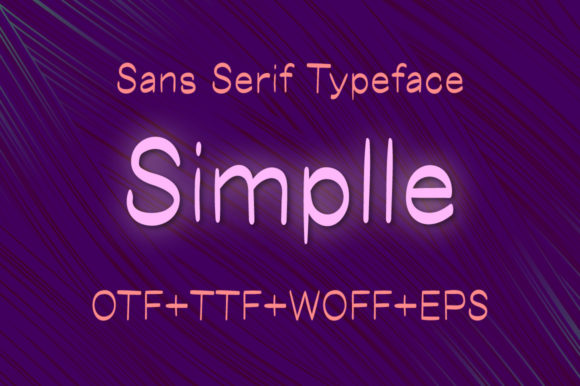
Simplle is a sweet and friendly handwritten font defined by its unique style and incredible versatility. In my testing, it proved to be far more than just a decorative element. Its strokes have a genuine flow, mimicking the pressure variations of a real pen without looking forced or digital. For designers looking for a premium font that balances personality with legibility, this typeface hits a rare sweet spot. It brings a sense of warmth that sterile geometric sans serifs often lack, making it an excellent choice for brands that want to connect emotionally with their audience.
Putting Simplle to Work in Real Branding Projects
The true test of any creative font is how it performs across different mediums. I took Simplle through a rigorous workflow, applying it to various touchpoints of a hypothetical boutique identity project. Here is how it held up in practical scenarios:
- Logo Design: As a primary logotype, Simplle shines. The letters connect naturally, creating a cohesive wordmark that feels custom-drawn. It works particularly well for lifestyle brands, bakeries, and creative studios where a personal touch is essential.
- Packaging Design: I mocked up a product label for a honey jar, and the font's organic feel complemented the craft aesthetic perfectly. It stands out on shelf displays without screaming for attention, offering a subtle elegance that suggests quality and care.
- Social Media Graphics: In Instagram stories and posts, short phrases rendered in Simplle grabbed attention effectively. Its friendly demeanor encourages engagement, making it ideal for quotes, announcements, or behind-the-scenes captions.
- Business Cards & Stationery: When printed on textured paper, the font's handwritten characteristics feel authentic. It adds a layer of sophistication to business cards, making them feel less like corporate tools and more like personal introductions.
- Web Design: Used sparingly in website headers or hero sections, Simplle creates an inviting entry point for users. However, it is crucial to maintain adequate sizing to ensure readability on smaller mobile screens.
Visual Hierarchy and Brand Perception
One of the strongest attributes of Simplle is its ability to influence brand perception. In the world of brand identity, typography speaks before a single product is touched. This script font communicates authenticity, creativity, and approachability. If you are building a brand for a handmade shop, a local café, or a wellness coach, Simplle instantly signals that there is a human behind the business.
However, understanding visual hierarchy is key. Simplle functions best as a display font or an accent typeface. It is not designed for long-form body text or dense editorial content. In my review, I found that pairing it with a clean sans serif font for body copy created a balanced and professional look. The contrast between the fluid, organic lines of Simplle and the structured neutrality of a modern sans serif allows the headline to pop while maintaining overall readability. Alternatively, pairing it with a classic serif font can elevate the design, adding a touch of traditional elegance suitable for high-end boutique branding.
Limitations and Practical Considerations
While Simplle is incredibly fitting for a large pool of designs, it is not a one-size-fits-all solution. Every designer knows that the wrong font choice can undermine a project. Because of its handwritten nature, Simplle may struggle in contexts requiring extreme formality or strict corporate neutrality. It is generally not suitable for legal documents, technical manuals, or interfaces where quick scanning of small text is required.
Readability is another factor to monitor. While the characters are distinct, the connected nature of script typefaces means they can become illegible if scaled down too far. When using Simplle for product labels or mobile web headers, always test the output at actual size. What looks clear on a 27-inch monitor might blur together on a smartphone screen or a small retail tag. My advice is to use it for short phrases, titles, and logos rather than paragraphs of information.
Maximizing the Potential of Simplle
To get the most out of this typeface, take time to explore its full character set. Many modern handwritten fonts include alternates, ligatures, and swashes that allow you to customize the flow and avoid repetitive letter shapes. Before finalizing any client work, type out your full copy to check for awkward connections or spacing issues. Adjusting the kerning manually can often make the difference between a good logo and a great one.
Furthermore, always verify the licensing terms before integrating Simplle into commercial projects. Whether you are designing design assets for a client, creating merchandise for print-on-demand, or building a website template, ensuring you have the correct commercial font license is non-negotiable. Protecting your work and respecting the creator's rights is a fundamental part of professional design practice.
Ultimately, Simplle is a delightful addition to any designer's toolkit. Its natural style offers a breath of fresh air in a landscape often dominated by rigid geometry. Whether you are crafting a logo for a new bakery, designing packaging for artisanal goods, or updating social media visuals, this font provides the perfect blend of charm and professionalism. The only limit is your imagination, but with a tool this versatile, the possibilities for creating memorable brand identity systems are vast.