Alunta: The Perfect Handwritten Font for Crafters
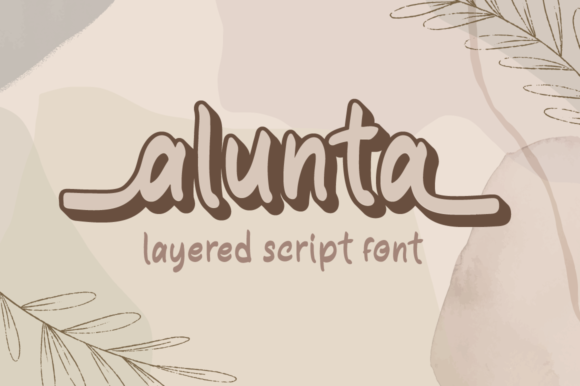
As a small shop owner who spends hours perfecting every detail of my handmade products, I know that the right typeface can make or break a design. It is not just about picking something that looks pretty; it is about finding a script font that communicates the warmth and personality of your brand while remaining practical for production. That is exactly why I have fallen in love with Alunta. This simple and flowing handwritten font strikes that rare balance between artistic charm and commercial usability, making it an essential addition to any crafter's digital toolkit.
When you first open Alunta, you are greeted by a visual personality that feels both approachable and polished. Unlike some overly decorative scripts that sacrifice readability for flair, Alunta maintains a clean, consistent stroke weight that ensures your message gets across clearly. Its flowing nature adds a fun and friendly touch to projects, which is vital when you are trying to connect with customers on an emotional level. Whether you are designing a label for a small-batch candle or creating a welcome sign for a wedding, this adaptable font brings a sense of human connection that rigid mechanical fonts simply cannot achieve.
Practical Applications for Handmade Products
The true test of any premium font is how well it performs in real-world crafting scenarios. I have found Alunta to be incredibly versatile across a wide range of physical and digital products. For those of us using cutting machines like Cricut or Silhouette, the smooth curves of this display font cut cleanly without excessive weeding, even on intricate vinyl designs. This makes it ideal for creating custom stickers, decals for water bottles, and personalized tote bags.
In the realm of paper goods, Alunta shines brightly. Imagine using it for birthday invitations where the guest names need to stand out with elegance, or for wedding stationery sets that require a cohesive, romantic look. Because the letterforms are distinct yet connected, it works beautifully for short phrases, names, and titles. I recently used it for a series of farmhouse-style wooden signs, and the result was a rustic yet modern aesthetic that resonated deeply with buyers. It is also perfect for product packaging; think of boutique clothing tags, thank-you cards included in shipments, or labels for artisanal soaps and jams. The font's friendly demeanor suggests that the product inside was made with care and love.
Elevating Brand Identity and Perceived Quality
Your choice of typography is a direct reflection of your brand identity. When a customer sees your logo or product label, they form an immediate impression of quality. Alunta helps elevate this perception by offering a professional look that does not feel corporate or cold. Its handwritten style implies authenticity, which is a huge selling point for handmade businesses. Consistency is key in building customer recognition, and because Alunta is so adaptable, you can use it across your website, social media graphics, and physical packaging to create a unified visual language.
However, readability remains paramount, especially for product labels where customers need to quickly identify ingredients or instructions. While Alunta is fantastic for decorative wording and headers, it is best suited for display use rather than long blocks of body text. For longer descriptions, I recommend pairing it with a clean sans serif font or a simple serif font. This contrast allows the personality of Alunta to pop while ensuring that essential information is easy to read. For example, pair Alunta with a geometric sans serif for a modern candle label, or match it with a classic serif for a vintage-inspired tea packaging design.
Technical Considerations for Creators
Before diving into your next project, it is important to consider the technical aspects of working with Alunta. As with any creative font, you should check the specific file formats included in your download to ensure compatibility with your design software, whether that is Adobe Illustrator, Procreate, or Canva. Many modern script fonts come with OpenType features like ligatures and alternates, which allow you to swap out specific letters to avoid repetitive-looking words and create a more natural handwritten flow. If Alunta includes these features, take the time to explore them; they can significantly enhance the uniqueness of your logo design and custom artwork.
For those creating digital downloads or printable wall art, pay attention to spacing and sizing. While the flowing lines of Alunta are beautiful, they can become difficult to distinguish if scaled down too small for tiny stickers or intricate jewelry tags. Always print a test sheet or view your design at 100% zoom to verify legibility. Additionally, if you are working on multilingual projects, verify the character set support to ensure it covers the languages your audience speaks.
Licensing and Commercial Use
Finally, a crucial note for all sellers and creators: always review the licensing agreement that comes with your font purchase. Most commercial fonts like Alunta require a specific license if you intend to use them for selling physical products, templates, or digital downloads. Understanding these terms protects your business and ensures you are respecting the type designer's work. Whether you are creating SVG designs for Etsy, merchandise for a local boutique, or client work for a wedding planner, having the correct commercial license gives you the peace of mind to sell your creations without worry.
Incorporating Alunta into your workflow can transform ordinary designs into something special. Its ability to convey warmth while maintaining professional standards makes it a standout choice for anyone in the handmade community. By thoughtfully pairing it with complementary typefaces and applying it to the right elements of your products, you can create a cohesive and appealing brand experience that customers will love.